
How to Start an Osteopathic Medicine Practice: A Comprehensive Guide for DOs
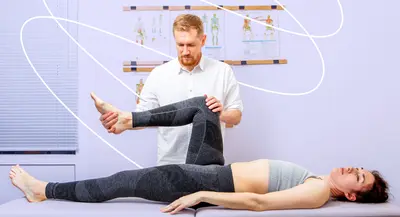
The need for high-quality osteopathic medicine is rapidly increasing. Recent studies show that osteopathic physicians now represent approximately 11% of all physicians and 25% of current medical students in the U.S. Residency match data have also indicated record-breaking placement numbers for DOs, reflecting both the growing profession and increasing demand for whole-person, patient-centered care.
More patients are desiring to work with healthcare providers who emphasize lifestyle and long-term wellness rather than symptom management alone. This kind of societal shift aligns closely with the overarching osteopathic philosophy, which views the body as an interconnected system.
For many physicians, growing demand creates a compelling opportunity to build their independent practices grounded in osteopathic principles. Starting a DO private practice means moving beyond the conventional ‘sick-care’ model toward a more integrated, relationship-focused approach. This approach allows physicians to spend more time understanding the root causes of illness rather than focusing solely on symptom treatment.
This guide explores how to start an osteopathic medicine practice, including the differences between a DO vs MD private practice, OMT clinical documentation, OMT operations, osteopathic manipulative treatment billing, and long-term growth strategies.
Preparation: philosophy and legalities
Defining your practice model: Many DOs aim to build integrative primary care clinics that combine traditional medical approaches with osteopathic manipulative treatment. From this framework, patients receive a more comprehensive, holistic experience. Treatment may include standard evaluations, chronic disease management, preventive care strategies, and hands-on methods, all within the same practice.
Specialized OMM clinic: Some physicians opt to create a referral-based osteopathic manipulative medicine (OMM) practice focused specifically on neuromusculoskeletal medicine. This approach typically entails receiving referrals from other healthcare providers, including primary care physicians, neurologists, pain management specialists, or orthopedists for patients experiencing chronic pain, headaches, mobility issues, or postural dysfunction.
Direct primary care (DPC): Many DOs are now moving toward direct primary care (DPC) membership models. Instead of billing insurance, this model charges patients a fixed monthly membership fee. This option can be attractive for osteopathic physicians because it removes some of the inherent barriers associated with insurance and can support longer or more frequent appointment times. Many patients also prefer the predictability of a flat, monthly fee over unexpected, variable costs.
You may consider the DPC model if you’re looking for more autonomy and flexibility in how you structure your care. When insurance does not dictate any limitations, you have more discretion in how you intervene. This often aligns naturally with most osteopathic principles because you’re better able to prioritize individualized care.
Board certification and licensing: All DOs need to maintain active licensure and stay in compliance with their state medical board requirements. Depending on your particular speciality, you may also need certification through the American Osteopathic Association (AOA) or any relevant speciality boards. You should also be in the habit of double-checking any ongoing medical education or recertification requirements regularly.
On this note, it’s also important that you fully understand any state-specific regulations regarding controlled substance prescribing and telehealth. Laws often vary from state to state, and this is essential to consider if you intend to integrate virtual care. Being proactive with compliance ensures your professional credibility and, of course, reduces legal risk.
Credentialing and OMT billing: OMT billing can be quite complex, and it’s important to consider how and when to credential when starting your practice. Most physicians are credentialed with Medicare, workers’ compensation programs, and a variety of private insurance companies. If you intend to provide OMT, your billing is frequently billed alongside standard evaluation and management (E/M) services. With that, proper coding and documentation are essential for avoiding compliance issues or denied claims.
Do not underestimate how long credentialing may take. Insurance panel approvals can take up to several months, especially if you don’t have any established billing history. Since delays can affect your early cash flow, prioritize initiating your credentialing process during the early set-up phase. You can also consult with a billing specialist if you need specific guidance.
The osteopathic clinic business plan
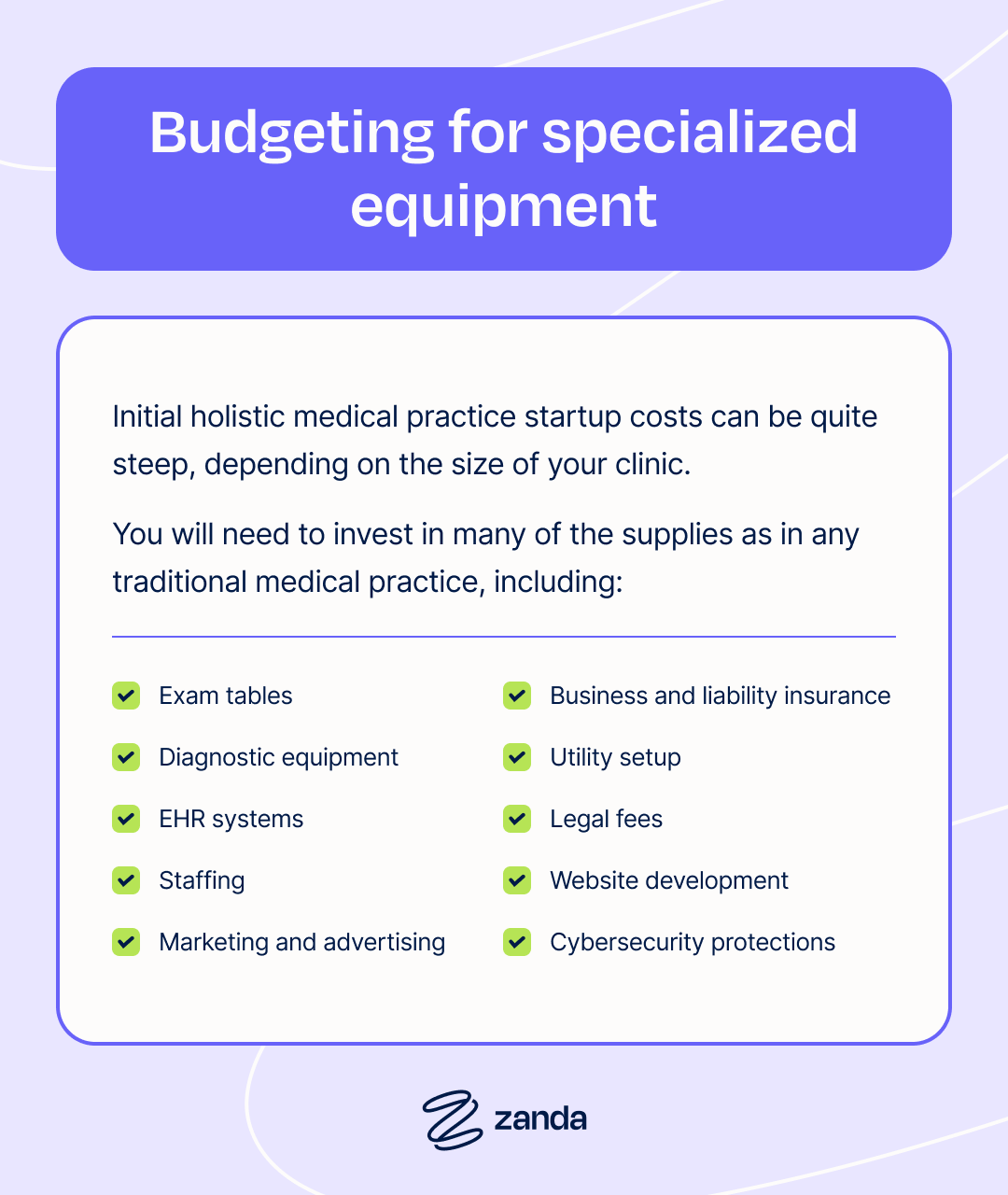
Budgeting for specialized equipment: Initial holistic medical practice startup costs can be quite steep, depending on the size of your clinic. You will need to invest in many of the supplies as in any traditional medical practice, including:
- Exam tables
- Diagnostic equipment
- EHR systems
- Staffing
- Marketing and advertising
- Business and liability insurance
- Utility setup
- Legal fees
- Website development
- Cybersecurity protections
Practices focused solely on OMT will also require specialized equipment, including hydraulic OMT tables. You may also need to factor in additional costs like ultrasound systems, rehabilitation tools, and other related furniture.
It’s often wise to be more conservative when considering your working capital during those first few months of operation. Even highly skilled physicians tend to experience a slower patient ramp-up period at first. You want your reserves to be in good shape while your referral networks and marketing efforts gain momentum.
Financial projections and appointment structure: Where traditional primary care models thrive on high patient volume with short visits, the osteopathic approach is different. You may be regularly engaging in 30- to 45-minute appointments (hence the “15-minute versus 45-minute conflict”). Longer appointments have many benefits: patients often feel more satisfied and heard, and they may be more likely to remain engaged in ongoing care. If they are happy with your services, they may also naturally refer friends or family members.
But as you run your financial projections, you need to consider the tradeoff associated with a lower patient volume. Your osteopathic clinic business plan can and should include financial nuances like time spent on consultations, OMT billing, and other ancillary services.
Operations: the “hands-on” infrastructure
The treatment room: Your treatment room needs to thoughtfully balance maintaining the professionalism of any medical exam room with the comfort associated with a more calm, therapeutic environment. Since your patients are often physically repositioned during your time together, it’s important to consider more nourishing touches like warm lighting and comfortable seating.
You also want to think carefully about your room spacing. Because you’re physically moving the patient around, you want to consider comfort from multiple angles. Ideally, you should also have accessible storage for all treatment tools.
Ergonomics for the DO: OMT is, of course, physically demanding for the practitioner. It is important to invest in high-quality hydraulic OMT tables to reduce strain and preserve your own physical health. If you intend to have a long-term, successful career, you need to invest in and use proper ergonomic tools from the get-go.
OMT Billing and Documentation: Modifier 25 remains one of the most essential billing concepts for osteopathic physicians. Practitioners use this particular modifier when performing a significant and separately identifiable evaluation and management service on the same day as OMT. To ensure that you receive proper reimbursement, you must clearly distinguish each service. Failing to do so may result in a claim denial.
SOAP Notes for DOs: Zanda templates aim to improve your consistency and streamline charting as a whole. Our motive is to support you in focusing more on what you do well (your actual practice) while we cover more of the administrative burden. Our templates allow you to easily record palpatory findings via the TART framework (tenderness, asymmetry, restriction, and tissue changes).
Integrated telehealth: With many practitioners using a hybrid approach in their work, offering virtual care can be invaluable for your patients. Telehealth may be especially beneficial for certain kinds of services, including initial consultations, follow-up appointments, and chronic disease management. Our platform allows for seamless and intuitive telehealth integration.
Growth: marketing the osteopathic difference
Educating the patient base: Many people do not fully understand the difference between a DO and an MD. With that, even fewer recognize what osteopathic manipulative treatment entails. Your marketing should focus heavily on distinguishing the “DO difference.” With so many ways to market a practice, it’s most essential that you consider which methods feel most meaningful and sustainable to you. Consistency is key, and it takes time for most marketing efforts to pay off. Therefore, you will need to create a structured strategy and commit to it for several months before reassessing any tweaks.
Because many individuals feel nervous or uncertain about hands-on treatment, patient education becomes even more important. Your content can normalize the experience and clarify what patients can expect during their time with you. This aims to build trust before someone even books their first appointment.
The MD and specialist referral network: You may want to focus on positioning your practice as an effective, non-surgical solution for chronic pain. This helps attract both patients and other healthcare providers. Building professional referral relationships is, therefore, crucial. To nurture these relationships, you want to stay consistently engaged with your network. Automated referral feedback letters (which we offer) can help keep your referring providers informed about individual patient progress and treatment outcomes.
Keep in mind that networking opportunities extend beyond just traditional physician referrals. You will also want to consider connecting with:
In all cases, building collaborative relationships with local providers strengthens your reputation and can support ongoing growth.
Local SEO and digital identity: Local SEO is essential for staying visible in today’s digital era. Many patients search for their providers online, often using terms like “holistic doctor [city]” or “OMT specialist near me” or “osteopathic physician for back pain.” You want to do your best to ensure your practice shows up within those first few search results. Strengthening local SEO is an ongoing and multifaceted effort, and you may need to focus on:
- Each of your website pages
- Google business profile
- AI search results
- Social media, including Facebook, Instagram, TikTok, or Reddit
Social media education: Social media can be a great tool for spreading the word about your practice. Many DOs create short-form educational videos or infographics to teach about various OMT techniques or osteopathic philosophy. If you integrate this into your marketing, your content can support both patient education and trust-building.
Additional considerations: diversified revenue
Ancillary services for DOs: Many osteopathic clinics expand beyond traditional appointments by integrating other income streams into their practice. Such services vary, but they may include:
- Nutrition counseling
- Acupuncture
- IV therapy
- Lifestyle medicine
- Health coaching
Each of these services aligns well with the overarching osteopathic philosophy of ‘whole-person care.’ Diversifying your practice may mitigate the risk of burnout while also keeping your practice more attractive to patients.
Inventory management: If you sell supplements or other wellness products, you need clear inventory management systems. Organization is key. You want to ensure that you are maintaining profitability while reducing waste. Aim to focus on optimizing your systems early, as this will ensure you have a smooth plan as your clinic grows.
Conclusion
Starting an osteopathic medical practice requires balancing modern medical science with the osteopathic principles of touch and mind-body care. Your success hinges on your clinical expertise and your capacity to offer individualized treatment that best supports each of your patients’ unique needs.
Building strong systems early supports both short-term and long-term success. Many practitioners find that having an integrated platform like Zanda is invaluable for running their clinic smoothly.
That’s because, at Zanda Health, we recognize the administrative complexity that comes with running a full osteopathic clinic. We know you’re regularly juggling multiple tasks and need a one-stop shop to support your scheduling, documentation, and patient communication. By simplifying your workflow, you can trust that Zanda will handle your administrative ‘knots’ so you can focus on your patients.