
Zanda Case Study
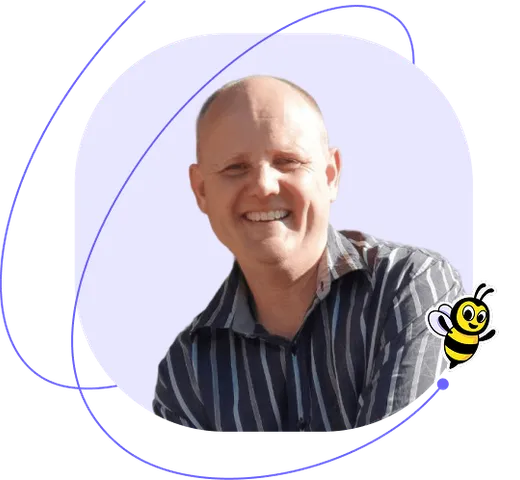
Beehind the Scenes with Mark Langlois
How an occupational therapist started a thriving mental health practice
At a glance
Practitioner
Mark Langlois
Location
Australia
Years in Public Health
15+
Clinical Focus
EMDR and ACT-informed therapy for PTSD, emotional regulation, complex trauma, and Aboriginal community support
Zanda Features Used
Clinical notes, Medicare integration, SMS reminders, intake forms, BizzyAI, custom exports, reporting dashboard
Workload Saved
15–20%

"Zanda has probably saved me 15–20% of my workload especially during the busy growth phase. That time back? It's massive. It meant I could focus on therapy, not chase Medicare numbers or overdue invoices."
"The SMS reminders alone increased my attendance rate by about 15–20%. That's huge. It's not just about time, it's about income, continuity, and making sure people show up for their care."
Occupational therapist Mark Langlois is redefining solo practice on his own terms. After over 15 years working in Australia’s public mental health system, Mark was pushed to pivot, and ended up building a private practice he says is more impactful, values-driven, and sustainable than anything he’d experienced before.
“Zanda has probably saved me 15–20% of my workload especially during the busy growth phase. That time back? It’s massive. It meant I could focus on therapy, not chase Medicare numbers or overdue invoices.”
An unexpected shift
Mark’s transition to private practice came unexpectedly.
“I was working in public mental health in Perth, Tassie, then Victoria. I loved the work, but it was always at the pointy end: crisis management, hospital admissions, risk triage. It felt like I was doing more admin than therapy.”
When COVID-19 mandates came through, Mark made a personal decision not to comply. “That lost me my job,” he says, matter-of-factly. “But it also gave me a chance to rethink what I wanted. I knew I didn’t want to go back to how things were.”
He took time off to focus on finishing his home and to reimagine his career. After reconnecting with mentors, undergoing intensive training in EMDR, and reflecting on the kind of work that inspired him, Mark started building a private practice from the ground up.
“It exploded much quicker than I expected. I’d always dreamed of doing therapy that actually helps. Now I get to do it.”
Taking a blended approach to therapy
Mark’s caseload spans the full spectrum–adults with PTSD, children with emotional regulation challenges, and families navigating complex trauma. He blends EMDR and ACT with hands-on, activity-based occupational therapy tools that help clients engage on their own terms.
“I’ll play basketball with a teen for three sessions before we ever talk. It’s about trust. Once they see I’m here for them, that’s when we can go deeper.”
His EMDR work, in particular, has transformed how he supports clients with deep trauma.
“I’ve seen people who couldn’t shower without panicking, and after one EMDR session, they’re breathing again. That’s powerful. I’ve used CBT, ACT, DBT, but EMDR actually resolves what’s underneath.”
He’s also become a trusted provider for the local Aboriginal community and child protection services thanks in part to his ability to meet clients where they are, whether that’s out in nature, on a walk, or in a quiet therapy space.
Fueling the work with purpose
“It’s not just about helping someone through a hard day. It’s about helping them get their life back,” he shares. “When someone tells me they’re not afraid to parent anymore, or that they’ve reclaimed sleep, or trust, or joy, that’s my why.”
He’s especially moved by the transformation that happens in small moments: a client making eye contact for the first time, laughing during a session, or finally saying something they’ve never spoken aloud.
“Healing looks different for everyone. But when I witness someone shift when their nervous system starts to relax, when they begin to believe they’re safe it’s like watching light return.”
That deep sense of purpose shows up in everything Mark does. It’s the reason he took a leap into private practice. And it’s what keeps him showing up every day.
Why Zanda?
When Mark first started his private practice, he relied on a patchwork of tools: Excel for invoicing, Word docs for clinical notes, Outlook for scheduling. But once referrals ramped up, it became unsustainable.
“I realized pretty early that managing five different systems manually was going to eat me alive. I’d done database work before, I knew the value of integration. Zanda offered that.”
He was introduced to Zanda by colleagues he shared office space with, both of whom swore by it. After a quick trial, Mark was sold.
What sealed the deal?
- Tight integration across systems: “Notes tie to appointments, invoices connect to Medicare, and reminders just happen. It flows in a way that makes sense to a clinician.”
- Medicare and invoicing support: “I didn’t have to worry about how to submit rebates or explain codes, it’s all just… there.”
- Upload capabilities for client artifacts: “With kids, I use a lot of projective work drawings, forms, family maps. I can scan and attach those right to the session.”
- Appointment status tracking: “Cancelled, confirmed, completed helps me see patterns and stay on top of workflow.”
- Custom exports: “End-of-financial-year used to be chaos. Now I export everything to Excel notes, appointments, invoices, and I’m sorted.”
“The SMS reminders alone increased my attendance rate by about 15–20%. That’s huge. It’s not just about time, it’s about income, continuity, and making sure people show up for their care.”
Mark’s pro tips for practitioners
- Meet clients in real life: “Your OT training is gold. Use it. Movement, function, roles all matter in healing.”
- Get support early: “I leaned hard on my old clinical supervisors. They nudged me forward when I needed it.”
- Invest in the right tools: “If you’re wasting time on admin, you’re not doing therapy. Period.”
- Use data to reflect and refine: “Export your reports. Look at your attendance trends. It’s not just numbers, it’s insight.”
- Don’t try to use everything at once. Start simple:
- Set up text reminders and invoice automation
- Customize your intake form and send it with a welcome email
- Use note templates or AI Scribe to cut down documentation time
- Use the dashboard to track paid vs. unpaid invoices
- Export data quarterly it’ll save your sanity at tax time
“Zanda isn’t just saving me hours, it’s helping me run a real practice, not just a one man job.”
Zanda in Three Words
"Integrated. Efficient. On-point."

Mark Langlois
Occupational Therapy
Learn more about
Mark Langlois
- Practice location: Victoria, Australia
- Website: marklangloisot.com.au
