Starting a Private Practice in Allied Health
Your essential guide to launching a private health practice, from research and regulations to finances, staffing, software, and branding.

A GUIDE TO
Starting a new practice in allied health can be both fulfilling and rewarding, but it involves responsibilities beyond clinical work. This checklist provides an overview of essential steps to help you launch a successful practice.
Evaluate the local demand for services in your area of specialty. Consider factors like population demographics, existing resources and any service gaps. This will help you gauge your practice's potential.
Acquaint yourself with the regulations governing therapy practices in your region and local area. This includes understanding education level, licensing requirements for therapists, and any regulations specific to running a private practice.
Stay informed about ethical guidelines and professional standards to ensure compliance and uphold the highest standards of care.
Develop a solid financial plan, explore funding options, and create a comprehensive budget to support your practice's growth. Your new private practice will essentially be a startup business, and every startup needs a financial plan.
Choosing the right location for your therapy practice is crucial for its success. When selecting a physical location, prioritize convenience and accessibility. A site with excellent visibility and ample parking can make a significant difference.
Adopt a strategic approach to recruitment to build a cohesive and capable team that supports the growth and sustainability of your practice. Decide whether you'll start as a solo practitioner or if you'll need to recruit support staff or additional therapists.
Select user-friendly and secure practice management software to streamline scheduling, billing, and client data management. A comprehensive system centralizes these essential tasks so your practice runs smoothly from day one.
Your practice's brand is more than just a name or logo; it influences the overall impression clients have of your practice. A well-defined brand distinguishes your practice from competitors and communicates your values.
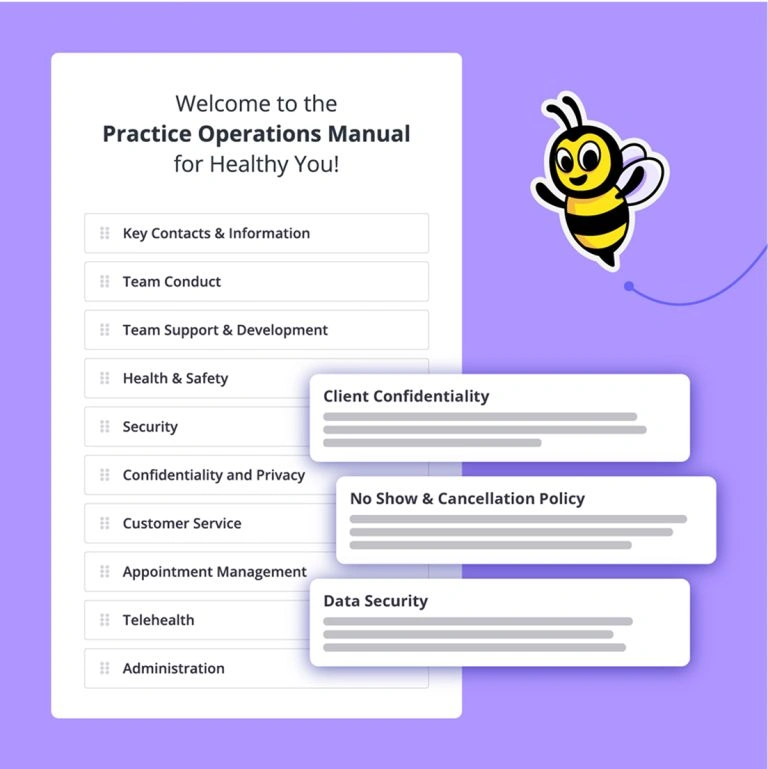
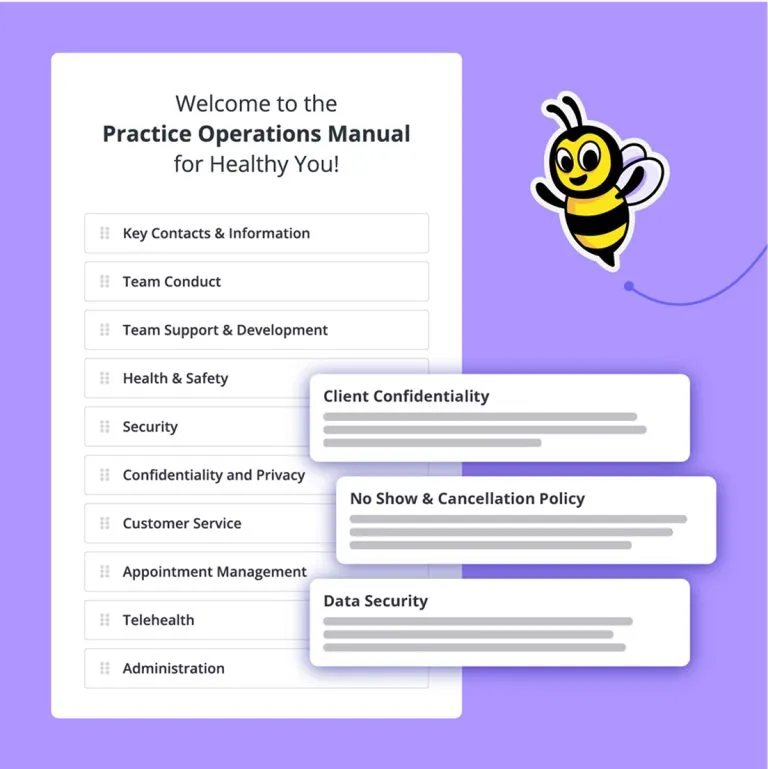
Use tools like calendars, an operations manual, and reporting systems to maintain efficient and consistent practice operations. Establish robust intake, billing, and scheduling systems to ensure smooth operations and enhance client satisfaction.
Free downloadable guides and tools to help you plan, launch, and grow a thriving health practice.
Your essential guide to launching a private health practice, from research and regulations to finances, staffing, software, and branding.

Get tips for setting up sessions, strategies to address common challenges and example activities that promote healing and growth.

Master the essentials for starting and growing your therapy private practice, including planning, location, staffing, software, and marketing.

Unlock 21 actionable marketing strategies designed specifically for health practices.

Discover 8 performance metrics to evaluate and improve your practice's health with actionable insights and targeted strategies.

Discover how automating key processes in your practice can save time, reduce no-shows and enhance client satisfaction.
Download our guide to starting a new practice in allied health


Practical guides from the Zanda blog to help you start, grow, and run a thriving private practice.

Master the essentials for starting and growing your therapy private practice, including planning, location, staffing, software, and marketing.

Whether you're considering moving your practice online partially or entirely, here are seven steps to help you successfully shift to online therapy.

The clinician's essential guide to launching a psychology private practice, from planning and compliance to software and marketing.

Whether you're a startup or an established practice, a rock-solid business plan is essential. Here's how to write one.

A comprehensive guide for DOs, from licensing and OMT billing to SOAP documentation, referral networks, and marketing your clinic.

The ultimate startup checklist, covering clinical scope, licensing, costs, equipment, and patient growth.

A step-by-step guide to compliance, equipment, billing, marketing, and the systems you need from day one.

The complete guide to scaling your clinic, from legal structure and compensation models to hiring, billing, and marketing.

Explore strategies and tips for choosing a practice name that reflects your values and the services you offer.
New to Zanda and want to jump right in? Start exploring now with a 14 day free trial.
Try ZandaLearn more about our all-in-one practice management system with features built to save time, reduce stress, and keep you in control.
See featuresExplore our current partners or become one yourself. Expand your reach, strengthen your reputation, and help practices thrive.
Zanda PartnersCheck out the free, expert-led courses at Zanda Academy. Increase your efficiency by building your confidence and skills.
Zanda AcademyFinish work earlier with an all-in-one practice management system.
Ease of use
Customer service
Value for money